
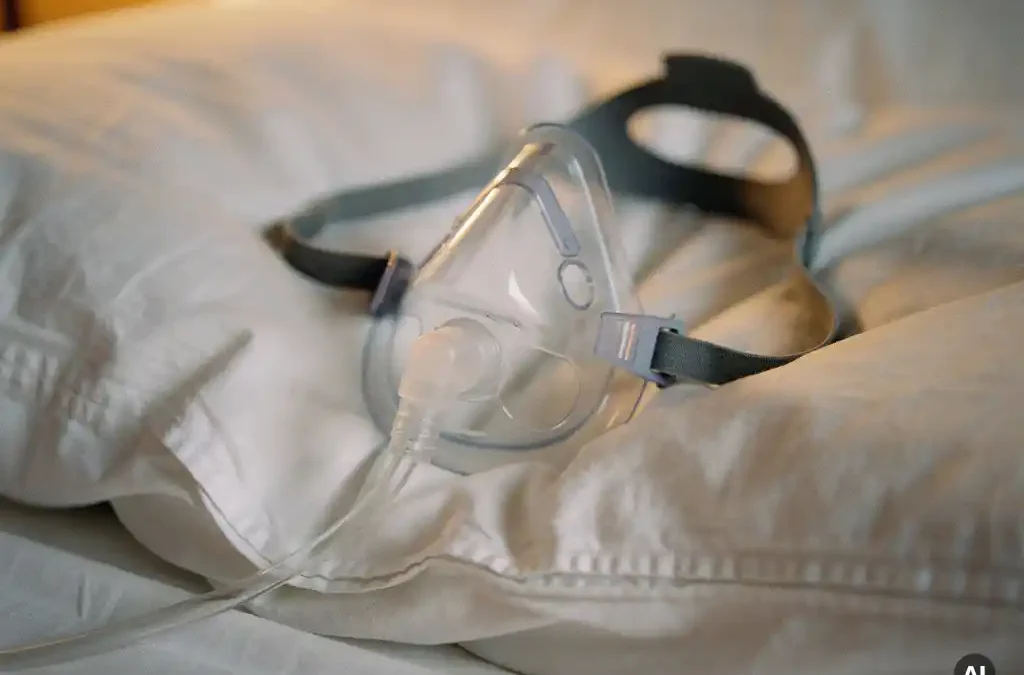
Your CPAP mask moves during sleep because your body naturally shifts position throughout the night, and those movements pull, push, or rotate the mask away from its original fit. This is one of the most common issues CPAP users face, and it is almost always solvable with the right adjustments. Below, we answer the most frequently asked questions about CPAP mask slipping so you can get back to effective, uninterrupted therapy.
Why does a CPAP mask slip out of position during sleep?
A CPAP mask slips out of position during sleep because most people move between four and six sleep positions throughout the night, and each movement creates friction or pressure that shifts the mask. Headgear straps that are too loose, a cushion that does not match your face shape, or a mask style that is not suited to your preferred sleeping position are the most common culprits.
Side sleepers are especially prone to mask movement because pressing the mask against a pillow compresses the cushion and pushes the frame out of alignment. Stomach sleepers face an even greater challenge, as the mask is in direct contact with the pillow for much of the night. Even back sleepers can experience slipping if the headgear is not evenly tensioned across both sides of the head.
Mask style also plays a significant role. Full-face masks that cover both the nose and mouth have a larger surface area and more contact points, making them more sensitive to positional changes. Nasal pillow masks sit closer to the face with less bulk, which often makes them more stable for active sleepers. If your mask type does not suit how you sleep, no amount of strap tightening will fully solve the problem.
Does a moving CPAP mask mean therapy is failing?
A moving CPAP mask does not necessarily mean your therapy is failing, but it does mean your therapy is being compromised. When the mask shifts, the seal between the cushion and your skin breaks, allowing pressurized air to escape. If this happens frequently or for extended periods, your airway may not be receiving the consistent pressure it needs to stay open, which reduces the effectiveness of your sleep apnea treatment.
Most modern CPAP machines track leak data and record it nightly. If your device’s app or display shows consistently high leak rates, that is a reliable signal that mask movement is interfering with therapy. Occasional brief leaks are normal and manageable, but persistent leaks night after night are worth addressing promptly. Untreated or undertreated sleep apnea continues to fragment your sleep and strain your cardiovascular system, so a poorly fitting mask is not a minor inconvenience.
What causes CPAP mask leaks specifically at night?
CPAP mask leaks at night are caused by a combination of mask movement, skin changes, and pressure fluctuations that occur during sleep. The most frequent causes include headgear that loosens as the night progresses, facial muscles relaxing and changing the contour of your face, mouth breathing opening the jaw and breaking a nasal mask seal, and skin oils reducing the grip of the silicone cushion.
Temperature also plays a role. As your skin warms during sleep, it can become slightly more flexible, and the silicone cushion may shift more easily. Facial hair is another factor for many patients because stubble and beards prevent the cushion from forming a clean seal against the skin.
Pressure settings that are not calibrated correctly can worsen leaks too. If your prescribed pressure is higher than necessary, the force of the air pushes outward against the mask seal, making it harder to maintain. Auto-adjusting CPAP machines can help by delivering only the pressure required at any given moment, reducing the outward force on the cushion.
How can you stop a CPAP mask from moving while you sleep?
You can stop a CPAP mask from moving while you sleep by addressing fit, position, and equipment choices together rather than adjusting one factor in isolation. A properly fitted mask that suits your sleep style, combined with the right accessories and habits, will stay in place through the night.
Adjust your headgear and cushion fit
Start by checking that your headgear is snug but not tight. A common mistake is over-tightening straps to compensate for leaks, which actually distorts the cushion and creates new gaps. The mask should form a gentle seal with light strap tension. If it only seals when pulled very tight, the cushion size or style is likely wrong for your face shape.
Replace your mask cushion regularly. Silicone degrades over time, losing its flexibility and grip. Most manufacturers recommend replacing the cushion every one to three months depending on use. A fresh cushion often resolves leaks that have been building gradually without the user noticing.
Choose the right mask for your sleep position
Side and stomach sleepers often do better with nasal pillow masks or low-profile nasal masks that sit closer to the face and have less surface area to catch on pillows. CPAP-specific pillows with cutout channels on each side are also highly effective because they allow the mask frame to sit in the cutout rather than pressing against the pillow surface. This single change eliminates a major source of nightly displacement for many users.
When should you replace or switch your CPAP mask?
You should replace or switch your CPAP mask when the current one consistently leaks despite proper adjustment, causes discomfort that disrupts sleep, or shows visible wear on the cushion, frame, or headgear. Most mask components have a functional lifespan of several months, and using worn equipment is one of the most overlooked reasons for ongoing fit problems.
Beyond wear, a change in your health, weight, or sleep habits can make a previously well-fitting mask unsuitable. Weight changes alter facial structure, which affects how the cushion seats against the skin. If you have started sleeping in a new position or had dental work done, your mask may no longer fit the way it did when it was originally sized.
Switching mask styles entirely is worth considering if adjustment and replacement have not resolved the issue. Moving from a full-face mask to a nasal mask, or from a nasal mask to nasal pillows, can make a dramatic difference. Each style has a different contact footprint and behaves differently during movement, so the right choice depends on your anatomy, breathing patterns, and preferred sleep position.
Who can help you get a better-fitting CPAP mask in Alberta?
In Alberta, a respiratory therapist or sleep specialist can assess your current mask fit, review your leak data, and recommend the right mask style and size for your face and sleep habits. Getting professional guidance is far more effective than trial and error because the range of available masks is wide and the differences between them are not always obvious without clinical experience.
At Dream Sleep Respiratory, we work with patients across Calgary, Edmonton, Red Deer, Canmore, Cochrane, Olds, and Lethbridge to find CPAP solutions that actually work in real sleep conditions. If your CPAP mask fit has been causing problems, our team can walk you through mask options, adjust your setup, and make sure your therapy is delivering the results it should. Getting the fit right is not a luxury, it is the foundation of effective sleep apnea treatment, and we are here to help you get there.
Frequently Asked Questions
Can I fix CPAP mask slipping on my own, or do I always need professional help?
Many common causes of mask slipping — such as worn cushions, loose headgear, or an incompatible sleep position — can be addressed at home with some trial and adjustment. Start by replacing the cushion, checking strap tension, and trying a CPAP-specific pillow. However, if the problem persists after a few weeks of troubleshooting, a respiratory therapist can review your leak data and identify fit issues that are difficult to spot without clinical experience.
How do I know if my CPAP mask cushion needs to be replaced?
Signs that your cushion needs replacing include visible discoloration or yellowing of the silicone, a stiff or less pliable texture, persistent leaks that were not present when the mask was new, and red marks or pressure sores on your face after use. Even if the cushion looks fine visually, silicone degrades with regular use and skin oil exposure, so replacing it every one to three months is a good rule of thumb regardless of appearance.
What is the best CPAP mask type for someone who moves around a lot during sleep?
Nasal pillow masks are generally the most stable option for active sleepers because they have the smallest contact footprint and the least bulk to catch on pillows or shift with head movement. Low-profile nasal masks are a close second. Full-face masks tend to be the most vulnerable to displacement due to their larger frame and greater surface area, so they are typically better suited to back sleepers who remain relatively still through the night.
Will tightening my CPAP headgear straps stop the mask from leaking?
Tightening your straps is a common instinct but is often counterproductive. Over-tightened headgear distorts the silicone cushion, creating uneven pressure points and new gaps rather than a better seal. The correct approach is to achieve a gentle, even seal with the least amount of strap tension necessary — if the mask only seals when pulled very tight, the cushion size or style is likely the wrong fit for your face shape.
Can mouth breathing cause my CPAP mask to slip or leak at night?
Yes, mouth breathing is a significant cause of seal failure, particularly with nasal and nasal pillow masks. When your jaw drops open during sleep, it changes the shape of your lower face and can break the cushion’s seal. If mouth breathing is the culprit, a chin strap can help keep the jaw closed, or your provider may recommend switching to a full-face mask that accommodates both nasal and mouth breathing simultaneously.
Does facial hair affect how well a CPAP mask seals, and what can I do about it?
Facial hair — including stubble as short as a few days of growth — can significantly prevent a silicone cushion from forming a clean seal against the skin. If shaving is not an option, a full-face mask with a gel or memory foam cushion may conform better to uneven surfaces than standard silicone. Some users also apply a thin layer of CPAP mask liner or use fabric cushion covers designed to bridge small gaps caused by facial hair.
How do I read my CPAP machine's leak data to know if mask movement is a real problem?
Most modern CPAP machines display nightly leak rates either on the device screen or through a companion app such as myAir (ResMed) or DreamMapper (Philips Respironics). A large leak rate — generally above 24 liters per minute for most devices — indicates a seal problem significant enough to compromise therapy. If your leak rate is consistently elevated night after night, that is a reliable sign that mask movement or fit is actively reducing the effectiveness of your sleep apnea treatment, and it is worth addressing with your provider.
Related Articles
- Why do night sweats in menopause happen more than once per night?
- Can chronic sleep deprivation during menopause affect memory?
- Sleep Apnea Resources in Red Deer: Testing and Treatment Options
- Why CPAP Therapy Requires a Doctor's Prescription in Alberta
- What Is Obstructive Sleep Apnea? A Complete Guide for Canadians