
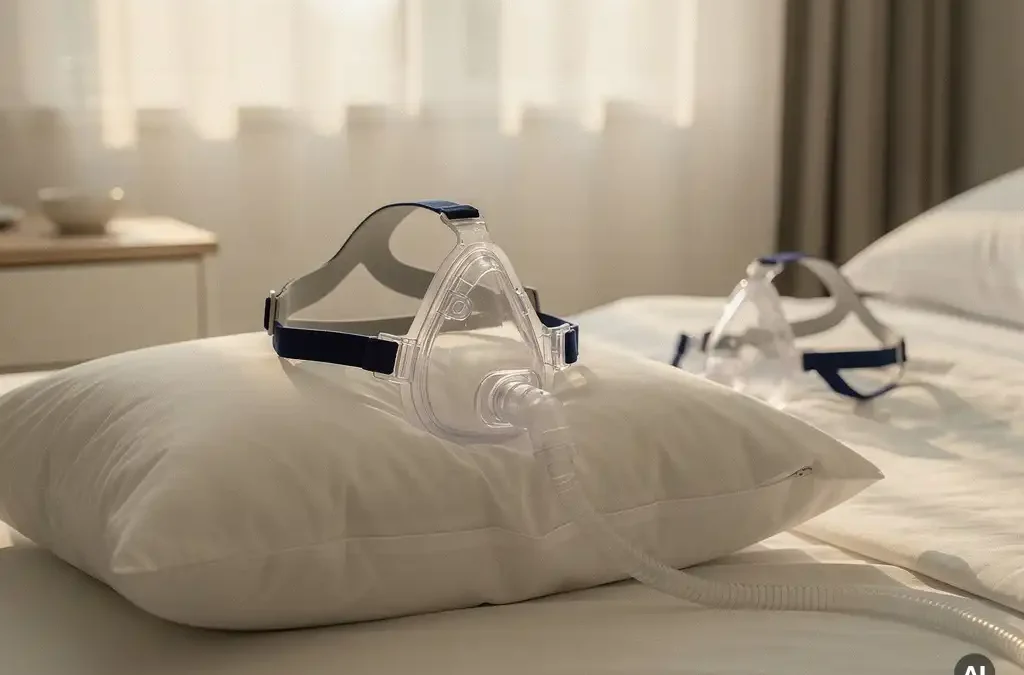
Your CPAP mask is probably too tight if you wake up with red marks, skin irritation, or pressure sores on your face, but a tight mask does not always mean a good seal. In many cases, over-tightening is actually a sign that the mask style or size is not right for your face shape. The sections below walk through the most common fit problems, what causes them, and how to fix them.
How do you know if your CPAP mask is causing damage?
A CPAP mask is causing damage when you notice persistent red marks, skin breakdown, pressure sores, or soreness that does not fade within 20 to 30 minutes of removing the mask. These signs indicate that the mask is pressing too hard against your skin, either because it is too tight or because the cushion is no longer conforming properly to your face.
Beyond visible marks, watch for these warning signs:
- Headaches in the morning caused by excessive strap tension around the head
- Numbness or tingling along the bridge of the nose or cheeks
- Skin abrasions or open sores at contact points, particularly on the bridge of the nose
- Hair breakage or scalp irritation from headgear that is cinched too tightly
- Chronic congestion or dry mouth that suggests the mask is leaking despite feeling snug
It is worth noting that some initial discomfort is normal during the first week or two of CPAP therapy. What you should not accept is pain, broken skin, or marks that last well into the morning. If any of those are happening, your mask fit needs attention sooner rather than later.
What causes a CPAP mask to leak even when it feels tight?
A CPAP mask leaks despite feeling tight because over-tightening actually distorts the cushion’s shape, pulling it away from the contours of your face rather than sealing against them. The cushion is designed to create a gentle, flexible seal: when you force it too hard against your skin, it buckles and gaps form at the edges.
Several other factors contribute to leaking even when the headgear feels secure:
- Worn-out cushion material: Silicone and foam cushions degrade over time, losing their ability to conform to facial contours. A cushion that is several months old may look fine but no longer seal properly.
- Facial hair: Even a few days of stubble can disrupt the seal on nasal or full-face masks, creating gaps that no amount of tightening will fully close.
- Wrong mask style for your breathing pattern: If you breathe through your mouth at night, a nasal mask will leak regardless of how well it is fitted because air escapes through the open mouth.
- Positional changes during sleep: Rolling onto your side or stomach can shift the mask against the pillow, breaking the seal mid-night.
The fix is rarely to tighten more. It is almost always to reassess the cushion condition, the mask style, or the fit itself.
What are the different CPAP mask types and which fits best?
There are three main CPAP mask types: nasal masks, nasal pillow masks, and full-face masks. The best fit depends on how you breathe during sleep, your pressure settings, and your face shape; there is no single mask style that works for everyone.
Nasal masks
Nasal masks cover the nose with a triangular or dome-shaped cushion. They work well for people who breathe through their nose during sleep and need moderate to high pressure settings. They offer a good balance between a secure seal and a relatively low-profile design, making them one of the most commonly prescribed styles.
Nasal pillow masks
Nasal pillow masks use two small inserts that sit just at the nostrils rather than covering the nose entirely. They are ideal for people who feel claustrophobic with larger masks, those who wear glasses or read before bed, and side sleepers who need minimal bulk. They tend to work best at lower to moderate pressure settings.
Full-face masks
Full-face masks cover both the nose and mouth, making them the right choice for mouth breathers, people with chronic nasal congestion, or those on higher pressure therapy. They have a larger surface area, which means fit and seal quality depend heavily on getting the right size cushion for your face.
How should a properly fitted CPAP mask feel?
A properly fitted CPAP mask should feel snug but not tight, similar to how a well-fitted pair of goggles feels. You should be able to slide one or two fingers underneath the headgear straps, and there should be no pulling, pinching, or pressure points on your skin. The mask should hold its seal without you having to consciously press it against your face.
When you put on your mask and start your CPAP therapy, do a quick check:
- Lie down in your normal sleeping position before finalizing the fit; masks often need slight adjustment when you are horizontal compared to sitting upright.
- Turn on your CPAP machine and breathe normally for a minute or two before tightening anything.
- Tighten the straps gradually and only until the leaking stops; stop there, do not continue tightening.
- Move your head side to side and check that the seal holds without the mask digging in.
A mask that requires constant repositioning throughout the night, or one that leaves marks lasting more than half an hour after removal, is not fitting correctly no matter how comfortable it feels in the moment of putting it on.
When should you replace your CPAP mask cushion or headgear?
CPAP mask cushions should generally be replaced every one to three months, and headgear should be replaced every six months. These are not arbitrary timelines: cushion material breaks down with regular use and cleaning, losing its flexibility and ability to form a proper seal even when the mask appears intact.
Signs that replacement is overdue include:
- The cushion feels stiff, brittle, or has visible cracks
- You notice increased leaking that was not there when the mask was newer
- The silicone has yellowed or become tacky
- Headgear straps have lost their elasticity and no longer hold adjustment well
- You are tightening the mask progressively more over time just to maintain the same seal
Replacing cushions on schedule is one of the most cost-effective ways to maintain CPAP therapy comfort. A fresh cushion often resolves leaking and skin irritation without any other changes to the mask setup.
Who can help you get a better CPAP mask fit in Alberta?
Respiratory therapists and sleep specialists are the right people to help you get a better CPAP mask fit. They can assess your current setup, identify whether the problem is mask style, size, cushion condition, or pressure settings, and recommend adjustments or alternatives based on your specific face shape and therapy needs.
At Dream Sleep Respiratory, we work with patients across Alberta to troubleshoot exactly these kinds of fit challenges. Whether you are brand new to CPAP therapy or have been using it for years and are still struggling with comfort, our team can walk through your options with you. We offer a CPAP mask fit assessment to help match you with the right mask style and size for your face.
Getting the fit right matters more than most people realize. A mask that seals properly and feels comfortable is one you will actually wear consistently, and consistent CPAP use is what delivers the real benefits of therapy: better sleep, more energy during the day, and a meaningful improvement in overall health. If your current mask is causing you grief, that is a problem worth solving, not something to push through.
Frequently Asked Questions
Can I adjust my CPAP mask fit on my own, or do I always need a professional?
Most minor fit adjustments — like loosening over-tightened straps, repositioning the mask before lying down, or swapping to a different cushion size — can be done at home using the steps outlined above. However, if you have tried those adjustments and are still experiencing leaks, skin irritation, or discomfort after a couple of weeks, it is worth consulting a respiratory therapist. A professional can identify whether the issue is the mask style itself, your pressure settings, or something structural about your face shape that a simple strap adjustment cannot fix.
What if my CPAP mask fits fine during the day but leaks when I fall asleep?
This is very common and usually comes down to muscle relaxation and positional changes during sleep. When you fall asleep, your facial muscles relax and your face shape subtly changes, which can break a seal that felt secure while you were awake and upright. The best approach is to always finalize your mask fit while lying down in your normal sleeping position with the machine running, rather than sitting up. If you are a side or stomach sleeper, consider a low-profile nasal pillow mask, which is less likely to be disturbed by pillow contact.
Is it normal for my nose to feel sore or raw inside after using a nasal pillow mask?
Some initial sensitivity is normal when you first start using nasal pillow inserts, but ongoing soreness, rawness, or irritation inside the nostrils is a sign that the pillow size is wrong — usually too large — or that the inserts are being pushed in too deeply. Nasal pillow masks come in multiple insert sizes (small, medium, large), and many new users are fitted with a size that is too big. Try sizing down and ensure the inserts are resting just at the nostril opening rather than being inserted into the nasal passage. If irritation persists, switching to a nasal or full-face mask may be a better long-term solution.
How do I stop my CPAP mask from leaving deep marks on my face every morning?
Deep or persistent facial marks are almost always caused by straps that are too tight, a cushion that has hardened with age, or a mask that is the wrong size for your face. Start by loosening the headgear until you can comfortably slide two fingers under every strap, then check whether the seal holds — if it does, you were over-tightening. If the marks persist even at a looser setting, inspect the cushion for stiffness or cracking and replace it if it is more than one to three months old. Using a thin CPAP mask liner or barrier pad between the cushion and your skin can also help reduce contact pressure while you work on finding the right fit.
Will growing a beard mean I can no longer use a CPAP mask effectively?
A full beard does not necessarily mean CPAP therapy is off the table, but it does significantly limit your mask options. Nasal pillow masks tend to be the most beard-friendly style because the inserts sit inside the nostrils and avoid most facial hair contact. Full-face and nasal masks rely on a cushion seal against the skin, which stubble and longer beard hair will consistently disrupt regardless of how tightly the mask is fitted. If you are committed to keeping facial hair, a nasal pillow mask combined with a chinstrap (if you are a mouth breather) is typically the most practical combination to discuss with your respiratory therapist.
My CPAP machine shows low leak rates on the data report, but my mask still feels uncomfortable. What should I do?
Low leak data means the seal is technically working, but comfort and seal quality are two separate issues — a mask can be airtight and still cause pain, pressure sores, or poor sleep. If your leak data looks good but you are waking up uncomfortable, the focus should shift from fit to comfort factors: cushion material type (memory foam versus silicone), mask weight and bulk for your sleeping position, strap padding, and whether the mask style suits your face shape and sleep habits. Bring your data report to your next appointment with a respiratory therapist so they can rule out pressure-related issues and help you explore comfort-focused alternatives.
Does my insurance cover CPAP mask replacements, including cushions and headgear?
In many cases, yes — most private health insurance plans in Canada cover CPAP supplies including replacement cushions and headgear, though coverage limits, replacement schedules, and required documentation vary by provider. Alberta Health Care does not typically cover CPAP supplies directly, so private or employer-sponsored benefits are the primary route for most patients. It is worth contacting your insurance provider to confirm your specific coverage schedule before purchasing replacements out of pocket, and your CPAP supplier can often assist with the paperwork or receipts needed to submit a claim.