
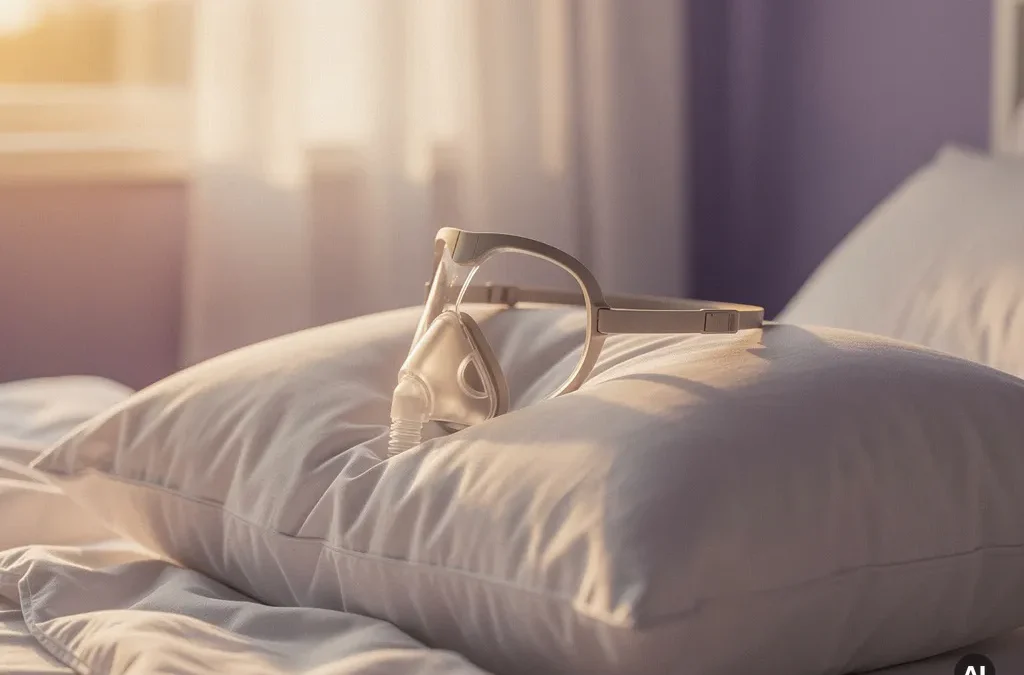
The best CPAP mask for side sleepers is typically a nasal pillow mask or a low-profile nasal mask. These styles sit close to the face, use minimal cushioning around the nose, and leave most of the face clear, so rolling onto your side does not push the mask out of position or break the seal.
Side sleeping is actually the most common sleep position, and it is also one of the most recommended positions for people with sleep apnea because it naturally keeps the airway more open. The challenge is finding a mask that stays comfortable and leak-free all night, even when your face is pressed against a pillow. The questions below walk through everything you need to know about choosing and using a CPAP mask as a side sleeper.
Which CPAP mask types work best when sleeping on your side?
Nasal pillow masks and minimal-contact nasal masks work best for side sleepers. Nasal pillow masks insert gently into the nostrils with small silicone tips, creating a direct seal without any cushion resting on the cheeks or bridge of the nose. This compact design means there is almost nothing to press against the pillow when you turn onto your side.
Low-profile nasal masks are the next best option. They cover only the nose and use a smaller, lighter frame than a traditional nasal mask, which reduces the surface area that can shift or compress when your face contacts the pillow.
Both styles work well for side sleepers because they share three key advantages:
- Minimal frame footprint, less material means less disruption when lying on your side
- Fewer contact points, the seal is concentrated around the nose rather than spread across the face
- Lower profile, the mask sits closer to the face, reducing the leverage that can pull it out of position
If you breathe through your mouth at night, a nasal pillow or nasal mask alone may not be enough. In that case, adding a chin strap can help, or you may need to consider a full face mask, which is covered below.
Why does a CPAP mask leak when sleeping on your side?
A CPAP mask leaks when sleeping on your side because the pillow compresses the mask cushion or frame, distorting the seal between the mask and your face. Even a slight shift in the mask’s position can open a gap that allows pressurized air to escape, which reduces therapy effectiveness and often causes a disruptive hissing sound.
Several factors make leaks more likely for side sleepers:
- Pillow pressure, a standard pillow pushes directly against the mask frame, bending the cushion away from the face
- Headgear tension, if straps are too loose, the mask shifts freely when you move; if too tight, the cushion buckles under compression
- Mask style mismatch, larger masks with wide cushions have more surface area that can be disturbed by pillow contact
- Cushion wear, over time, silicone cushions lose their flexibility and no longer conform well to the face under pressure
Leaks are one of the most common reasons side sleepers abandon CPAP therapy, but they are almost always solvable with the right mask style, proper fit, and the right pillow setup.
What features should a side sleeper look for in a CPAP mask?
Side sleepers should prioritize a low-profile frame, flexible headgear, and a cushion design that maintains its seal under light pressure. The goal is a mask that moves with you rather than fighting your sleep position throughout the night.
The most important features to look for include:
- Minimal frame height, a shorter mask profile reduces the chance of the pillow catching the frame and pulling the mask away from the face
- Soft, flexible headgear, fabric or mesh straps that do not dig in or create pressure points on the side of the head
- Swivel or pivot connectors, a hose connection that rotates freely prevents the tubing from dragging the mask out of position when you shift
- Cushion material, gel or soft silicone cushions tend to absorb minor compression better than rigid plastic-backed options
- Minimal forehead or cheek contact, the fewer points of contact, the less the pillow can disturb the fit
It is also worth considering whether the mask is available in multiple sizes. A mask that fits precisely requires less strap tension to stay in place, which makes it more resilient when you roll onto your side.
Does a full face CPAP mask work for side sleepers?
A full face CPAP mask can work for side sleepers, but it is generally the most challenging mask style to use in this position. Full face masks cover both the nose and mouth, which means a much larger cushion and frame that is more likely to be disturbed by pillow contact and more likely to cause leaks when the face is pressed against a surface.
That said, full face masks are sometimes the only suitable option. If you breathe through your mouth, have significant nasal congestion, or require higher therapy pressure, a full face mask may be medically necessary. In those cases, a CPAP pillow (discussed in the next section) becomes especially important for managing the fit.
If you are currently using a full face mask and struggling with leaks or discomfort as a side sleeper, it is worth speaking with a respiratory therapist about whether a nasal mask combined with a chin strap could meet your needs instead. The right solution depends on your breathing pattern, pressure settings, and comfort preferences.
How can a CPAP pillow help side sleepers?
A CPAP pillow helps side sleepers by providing cutouts or recessed areas specifically shaped to accommodate a CPAP mask, so the face rests naturally without the pillow pressing against the mask frame. This reduces the compression that causes leaks and facial pressure marks, and it allows side sleepers to maintain a comfortable head and neck position throughout the night.
Standard pillows create a flat surface that pushes directly into any mask that extends beyond the face. A CPAP pillow solves this by:
- Providing a notch or contour on each side where the mask frame sits without contact
- Supporting the neck and head in proper alignment, which also helps keep the airway open
- Reducing the need to over-tighten headgear straps to compensate for pillow pressure
CPAP pillows are a relatively small investment and can make a significant difference in comfort and seal quality, particularly for side sleepers using nasal or full face masks. Many people find that switching to a CPAP-specific pillow resolves leaks they had been struggling with for months.
When should a side sleeper get a CPAP mask refitted?
A side sleeper should get a CPAP mask refitted any time they notice persistent leaks, new facial pressure marks, reduced therapy effectiveness, or discomfort that was not present when the mask was first fitted. These are signs that the current mask is no longer providing the seal and comfort needed for effective therapy.
Beyond addressing immediate problems, there are also routine situations that call for a refitting:
- Weight changes, gaining or losing weight changes the shape of the face, which affects how the mask cushion seats
- Cushion wear, CPAP cushions typically need replacing every one to three months; a worn cushion loses its ability to seal properly under side-sleeping pressure
- Switching sleep positions, if you have started sleeping on your side more consistently after previously sleeping on your back, your original mask choice may no longer be ideal
- New mask styles available, mask technology continues to improve, and a style that fits side sleepers better may now be available
If you are unsure whether your current mask is still working well, our team at Dream Sleep Respiratory can assess your fit and help you find a mask that supports both your therapy needs and your sleep position. You can start by visiting our CPAP mask fitting tool to find options suited to how you sleep.
Frequently Asked Questions
Can I use any CPAP mask as a side sleeper, or do I need to buy a specific one?
You do not necessarily need to buy a brand-new mask just because you sleep on your side, but certain styles are far more forgiving in that position than others. Nasal pillow and low-profile nasal masks are the most side-sleeper-friendly options available. If you already own a mask that is causing leaks or discomfort when you roll onto your side, it is worth trying a CPAP pillow first before purchasing a new mask, as this can sometimes resolve the issue without additional cost.
How do I stop my CPAP mask from leaving marks on my face from side sleeping?
Facial pressure marks are usually caused by one of two things: a mask frame that is being pushed into the skin by the pillow, or headgear straps that are over-tightened to compensate for leaks. Start by switching to a CPAP-specific pillow with cutouts that allow the mask to sit freely without contact. If marks persist, check that your headgear tension is set to the minimum needed for a good seal, and consider whether a lower-profile mask style would reduce the contact points pressing against your skin.
What is the best sleeping position for someone with sleep apnea who also struggles with CPAP mask leaks?
Side sleeping is actually the most beneficial position for sleep apnea because it naturally opens the airway and reduces the frequency of apnea events, so it is worth solving the leak problem rather than changing positions. Sleeping on your left side in particular is often recommended, as it can also improve circulation and reduce acid reflux, which sometimes worsens sleep apnea symptoms. Pairing a side-sleeping position with the right low-profile mask and a CPAP pillow gives you the best of both worlds: effective therapy and a stable seal.
How often should I replace my CPAP mask cushion if I sleep on my side?
CPAP cushions generally need replacing every one to three months, but side sleepers may find they wear out closer to the one-month end of that range. This is because the cushion experiences additional compression and mechanical stress each time your face presses against the pillow, which accelerates the breakdown of the silicone material. A simple test is to check whether the cushion still feels soft and pliable; if it has hardened, cracked, or lost its shape, it is time for a replacement regardless of how long you have had it.
I tend to switch between side sleeping and back sleeping throughout the night. What type of mask handles both positions well?
A nasal pillow mask is generally the most versatile option for combination sleepers because its minimal footprint causes little disruption in any position. Look for a model with a swivel or 360-degree rotating hose connector, which allows the tubing to reposition itself as you move without dragging the mask out of alignment. Some sleepers in this situation also benefit from using an auto-adjusting CPAP (APAP) machine, which adapts pressure delivery based on your breathing needs as your position changes throughout the night.
What are the most common mistakes side sleepers make when fitting a CPAP mask?
The most frequent mistake is over-tightening the headgear straps in an attempt to prevent leaks caused by pillow pressure. This actually makes the problem worse by buckling the cushion and creating new gaps, and it also leads to facial sores and discomfort. A properly fitted mask should seal at a comfortable strap tension, and if it cannot, the issue is usually the mask style or pillow setup rather than the tightness of the straps. Another common mistake is fitting the mask while sitting upright rather than in your actual side-sleeping position, which can result in a fit that feels perfect when standing but shifts as soon as you lie down.
Are there any CPAP accessories beyond a CPAP pillow that can help side sleepers?
Yes, several accessories can improve comfort and seal quality for side sleepers beyond a CPAP pillow. Mask liners, which are thin fabric covers that sit between the cushion and your skin, can improve the seal and reduce skin irritation caused by repeated compression. A hose management system or overhead hose holder keeps the tubing off the bed and reduces the drag that can pull the mask sideways when you shift positions. For those using a full face mask, a chin strap can also help maintain mouth closure and reduce the pressure needed to achieve a good seal.