
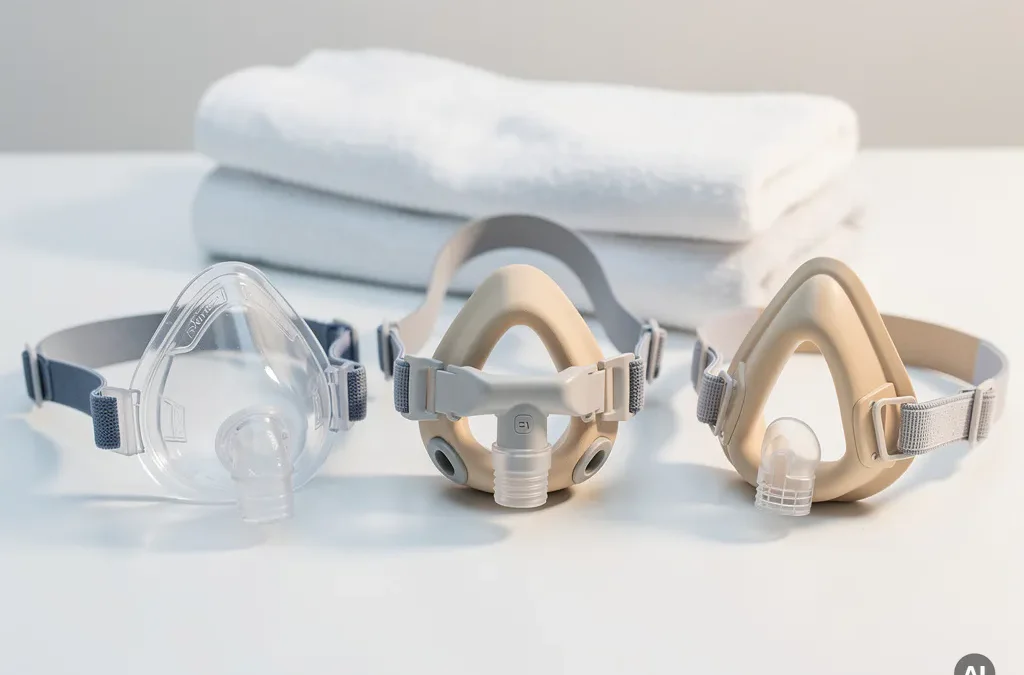
Yes, there is a CPAP mask made for your face – in fact, there are several, and the right one depends on your facial structure, breathing habits, and sleep position. CPAP masks come in multiple styles and sizes specifically designed to accommodate different face shapes, nose bridges, jaw lines, and lifestyle needs. The sections below walk through every key question to help you find your ideal fit.
What Are the Different Types of CPAP Masks Available?
CPAP masks fall into three main categories: nasal masks, nasal pillow masks, and full face masks. Each type delivers pressurized air differently and suits different breathing patterns, face shapes, and comfort preferences. Understanding these options is the first step toward finding a sleep apnea mask that works for you.
- Nasal masks cover the nose from the bridge down to the upper lip. They provide a stable seal, work well across a wide range of pressure settings, and suit most face shapes. They are one of the most widely used CPAP mask types.
- Nasal pillow masks use small cushioned inserts that sit at the nostrils rather than covering the nose entirely. They are the most minimal option, making them popular with people who feel claustrophobic in larger masks or who wear glasses before bed.
- Full face masks cover both the nose and mouth, making them the go-to choice for mouth breathers or anyone with nasal congestion. They create a larger sealing surface, which can be an advantage at higher pressure settings.
Within each category, manufacturers offer multiple cushion sizes, from extra-small to large, so fit can be fine-tuned beyond just the mask style. Some brands also offer hybrid designs that blend features from two categories, giving even more flexibility for unusual face shapes.
How Does Face Shape Affect CPAP Mask Fit?
Face shape directly affects how well a CPAP mask seals against your skin. A mask that fits one person perfectly can leak constantly on another because of differences in nose bridge height, cheekbone prominence, jaw width, and the distance between the nose and upper lip. Poor fit leads to air leaks, skin irritation, and reduced therapy effectiveness.
People with a narrow face or a low nose bridge often find that standard nasal masks gap at the sides. A nasal pillow mask, which bypasses the nose bridge entirely, tends to perform better in these cases. Those with a wider face or prominent cheekbones may need a mask with a flexible or adjustable frame that can conform to their contours rather than a rigid one-size design.
The philtrum length, meaning the distance between the base of the nose and the top of the upper lip, also matters. A short philtrum can make it difficult for nasal masks to seat properly without pressing uncomfortably on the lip. Some manufacturers design masks specifically for shorter philtrum distances, so this measurement is worth noting when you are comparing options.
What CPAP Mask Features Should You Look for Based on Your Face?
The most important features to evaluate based on your face are cushion material, frame adjustability, headgear design, and seal type. Choosing the right combination of these features for your specific facial anatomy dramatically improves comfort and reduces the chance of leaks during the night.
- Cushion material: Silicone cushions offer durability and a firm seal, while memory foam or gel cushions conform more gently to irregular contours. If you have sensitive skin or unusual facial angles, a softer cushion material reduces pressure points.
- Frame adjustability: Look for a mask with multiple adjustment points on the headgear. A frame that allows independent adjustment of the top and bottom straps lets you customize the seal without overtightening.
- Minimal contact design: If you have a broad nose or find that cushions push against your nostrils uncomfortably, a minimal contact or under-the-nose cushion design keeps the seal lower on the face and away from sensitive areas.
- Magnetic clips and quick-release features: These are practical rather than fit-related, but they reduce the risk of disturbing a good seal when you remove the mask during the night.
It is also worth considering whether you run warm at night. Some masks have a larger contact area, which can trap heat against the face. Lighter, open-frame designs with less surface coverage tend to feel cooler and are worth prioritizing if heat is a comfort concern for you.
Which CPAP Mask Is Best for Side Sleepers, Mouth Breathers, or Facial Hair?
The best CPAP mask for your situation depends on your specific challenge. Side sleepers, mouth breathers, and people with facial hair each have distinct fitting needs, and there are mask designs built specifically to address each one.
Side Sleepers
Side sleepers need a low-profile mask that does not press into the pillow and break the seal. Nasal pillow masks are generally the top recommendation because they have almost no bulk at the sides of the face. Some manufacturers also make masks with angled or rotating elbow connections that allow the tubing to redirect away from the pillow without pulling the mask out of position.
Mouth Breathers
Mouth breathers need either a full face mask that covers both the nose and mouth or a nasal mask combined with a chin strap to keep the mouth closed. Full face masks are usually the simpler solution because they accommodate natural breathing patterns without requiring a secondary accessory. If you breathe through your mouth due to nasal congestion rather than habit, treating the congestion first may allow you to use a smaller nasal mask comfortably.
Facial Hair
Facial hair, particularly a beard or moustache, creates gaps in the cushion seal. Nasal pillow masks tend to perform best here because the seal point is inside the nostrils rather than against the skin surface. For those who prefer a nasal or full face mask, a memory foam or gel cushion that can compress and mould around hair follicles often provides a better seal than a standard silicone cushion.
How Do You Get Properly Fitted for a CPAP Mask in Alberta?
Getting properly fitted for a CPAP mask in Alberta involves working with a trained respiratory therapist who can assess your facial measurements, breathing patterns, and sleep habits before recommending a specific mask style and size. A proper fitting goes well beyond simply trying on a mask in a clinic; it includes testing the seal under simulated pressure and adjusting the headgear to your head shape.
At Dream Sleep Respiratory, we provide personalized CPAP mask fittings across our Alberta locations, including Calgary, Edmonton, Red Deer, Canmore, Cochrane, Olds, and Lethbridge. Our respiratory therapists take the time to understand your specific needs before recommending a mask, and we offer ongoing follow-up appointments to adjust the fit as your therapy progresses.
If you prefer to start the process online, our CPAP mask fit tool helps narrow down the right mask type based on your facial features and sleep habits before you come in for a hands-on fitting. This step saves time and gives our therapists a useful starting point for your appointment.
What Should You Do if Your CPAP Mask Still Doesn’t Fit Right?
If your CPAP mask still doesn’t fit right after adjustments, the most likely cause is that the mask style or size is not the right match for your face rather than a problem with how you are wearing it. Do not simply tighten the headgear to stop leaks, because overtightening creates pressure sores and can actually worsen the seal by distorting the cushion shape.
Start by checking whether the leak is coming from a specific point on the mask. A leak at the nose bridge suggests the mask is sitting too high or the cushion size is too large. A leak along the cheeks often means the mask is too wide for your face. A leak at the chin line on a full face mask may indicate that a smaller size or a different cushion shape would seat more securely.
If repositioning and resealing does not resolve the problem, it is time to try a different mask style altogether. Many people who struggle with nasal masks find immediate relief after switching to nasal pillows, and vice versa. Your respiratory therapist can guide this process and, in many cases, provide trial masks so you can test the fit at home before committing to a new model.
Cushions also wear out over time and lose their ability to seal properly. Replacing the cushion every one to three months, depending on the manufacturer’s recommendation, is a straightforward fix that resolves many persistent leak issues without requiring a completely new mask. If you have tried multiple styles and sizes without success, ask your care team about a formal reassessment, because changes in weight, surgery, or dental work can alter your facial structure enough to require a different fitting approach.
Frequently Asked Questions
How long does it typically take to get used to wearing a CPAP mask?
Most people need two to four weeks to fully adjust to sleeping with a CPAP mask, though comfort often improves noticeably within the first few nights once the fit is dialed in. Starting with short daytime wear sessions while awake can help your face and breathing adapt before you commit to a full night. If discomfort persists beyond four weeks, it is a strong signal that the mask style or size needs to be reassessed rather than simply pushed through.
Can my CPAP mask size change over time, and how often should I reassess the fit?
Yes, your mask fit can change due to weight fluctuations, dental work, surgery, or even natural changes in skin elasticity over time. A good rule of thumb is to reassess your mask fit at least once a year or any time you notice a sudden increase in leaks that was not present before. Your respiratory therapist can quickly determine whether a new cushion size, a headgear adjustment, or a different mask style is the right solution.
What is the difference between a mask leak and a normal mask vent, and how do I know if my leak is a problem?
All CPAP masks have intentional vents built into the design that continuously release small amounts of exhaled air — this is normal and expected. A problematic leak, by contrast, is unintentional air escaping from the cushion seal against your face, often felt as a draft on your eyes, cheeks, or partner. Your CPAP machine’s data reporting (available through its app or display) will flag leak rates above an acceptable threshold, making it easy to confirm whether what you are experiencing is a true seal issue that needs to be addressed.
Is it safe to use a CPAP mask if I have recently had facial surgery or a skin condition like rosacea or eczema?
You should consult your physician or respiratory therapist before resuming or starting CPAP use after facial surgery, as pressure and contact from a mask can interfere with healing. For skin conditions like rosacea or eczema, a minimal-contact mask design or a hypoallergenic memory foam cushion can significantly reduce irritation compared to a standard silicone cushion. Keeping the mask and cushion meticulously clean is also critical, as bacteria buildup on a cushion can aggravate sensitive or compromised skin.
Can I use any CPAP mask with my existing machine, or do masks need to be brand-matched to the device?
Most CPAP masks connect to machines via a universal 22mm tubing connector, meaning masks and machines from different brands are generally compatible with each other. However, some newer machines use proprietary connections or have features like heated tubing that only work fully with brand-matched accessories. Always confirm compatibility with your respiratory therapist or equipment supplier before purchasing a mask from a different manufacturer than your machine.
How do I know if I should try a nasal pillow mask versus a nasal mask if I have never used CPAP before?
A nasal pillow mask is usually the better starting point if you feel anxious about wearing a mask, sleep on your side, have a low nose bridge, or wear glasses right up until bedtime. A traditional nasal mask tends to work better if you require higher pressure settings, have narrow nostrils that find pillow inserts uncomfortable, or simply prefer more surface contact for a sense of stability. Your respiratory therapist can run you through both styles during a fitting appointment — and tools like the Dream Sleep Respiratory online fit guide can help you pre-identify which direction makes the most sense before you even walk in the door.
How should I clean my CPAP mask to maintain a good seal and prevent skin irritation?
Wipe down the cushion daily with a CPAP-specific mask wipe or a soft cloth dampened with mild, fragrance-free soap to remove skin oils that degrade the silicone and break down the seal over time. Do a more thorough wash of the full mask assembly — cushion, frame, and headgear — at least once a week using warm water and mild soap, then allow all parts to air dry completely before use. Avoid alcohol-based cleaners or UV sanitizers as the sole cleaning method, as they can dry out silicone cushions and shorten their lifespan, leading to premature seal failure.